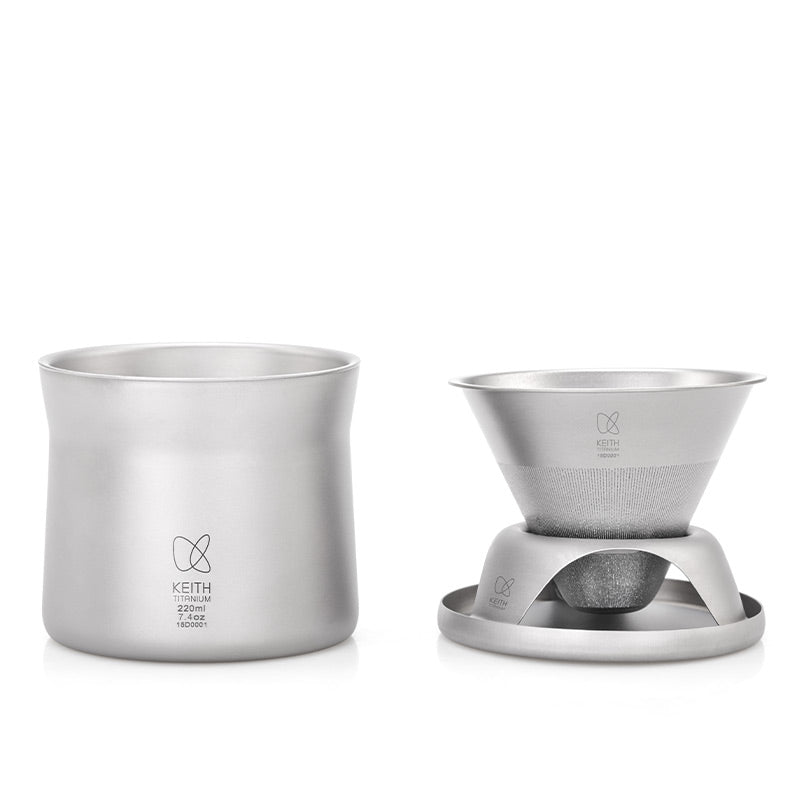
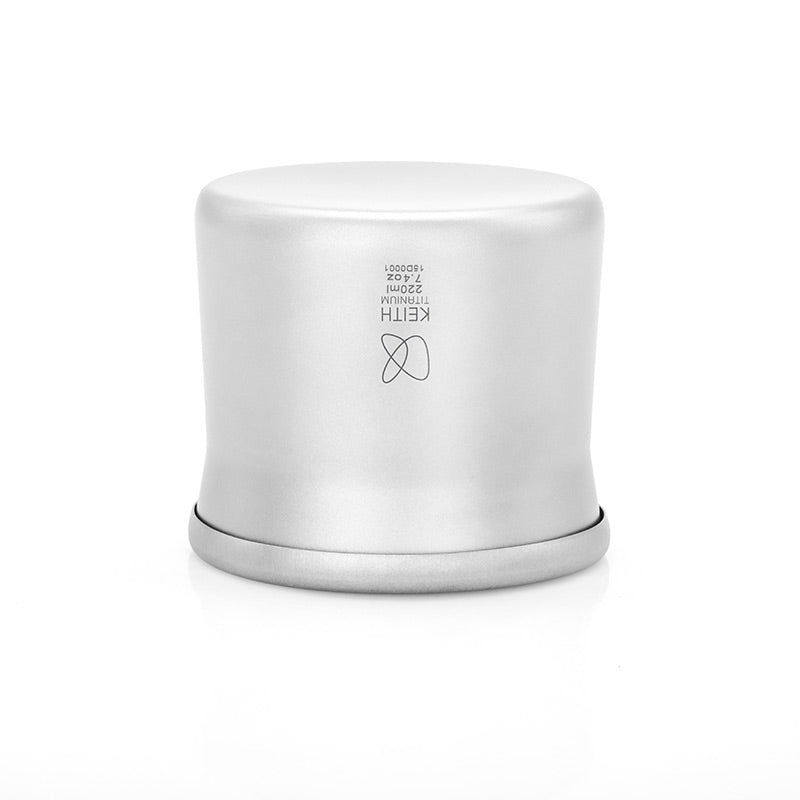
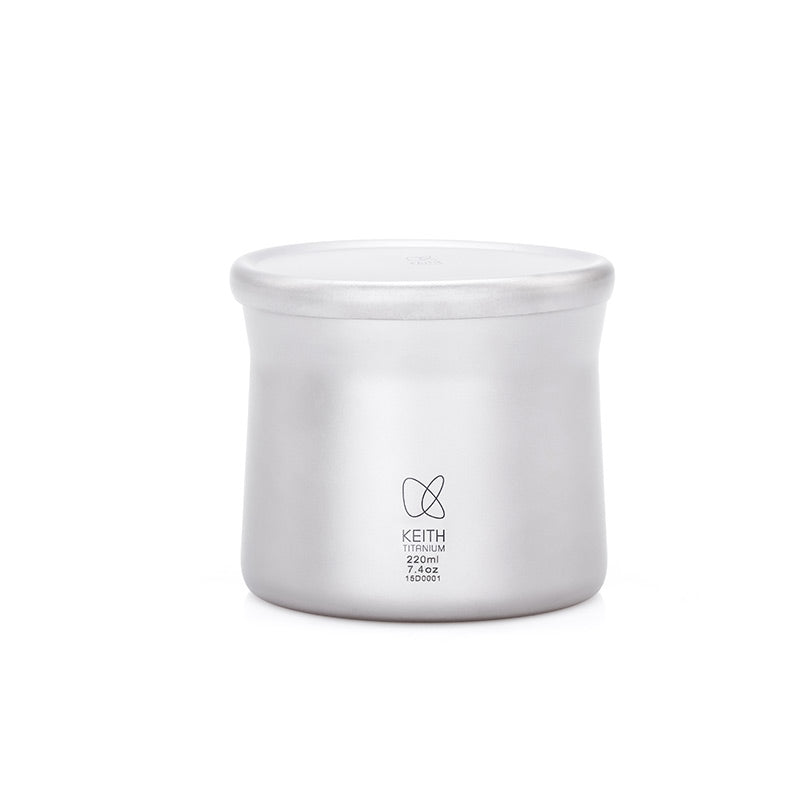
Titanium is known for being strong for its weight, corrosion-resistant, and easy to keep clean in food-contact use. Those qualities do not show up at the end of the production line by accident. They begin with titanium-bearing minerals, careful refining, and controlled processing before the metal becomes a titanium cutting board, a pot, a bottle, a mug, or a camp utensil.
For KEITH Titanium, this material story matters because outdoor and kitchen gear has to do simple things well: carry easily, resist moisture, clean without fuss, and hold up through repeated use. This guide explains how titanium is made, and why the path from ore to sponge titanium, ingot, sheet, and plate can affect the way finished gear feels and performs.
Key takeaways
- Titanium usually begins with minerals such as rutile and ilmenite.
- A common refining route converts titanium compounds into sponge titanium, a porous metallic form.
- Melting, rolling, forming, and finishing turn titanium into usable product materials.
- Titanium's naturally low weight, combined with controlled processing and product design, helps finished gear stay light, corrosion-resistant, and durable.

From ore to gear: the simple version
| Stage | What happens | What it means for finished products |
|---|---|---|
| Ore | Rutile and ilmenite are mined and upgraded. | A cleaner feedstock helps create a more consistent starting point. |
| Sponge titanium | Titanium compounds are converted into porous metallic titanium. | This creates the base metal used for further processing. |
| Melting and rolling | Sponge titanium is melted into ingots, then processed into sheet, plate, or other forms. | The metal begins to take the shapes and properties needed for real products. |
| Finishing | Surfaces, thickness, edges, and final forms are controlled. | Handling, cleanability, and long-term use depend heavily on this stage. |
Stage A: rutile and ilmenite
Titanium production often starts with rutile and ilmenite, two naturally occurring minerals that contain titanium.
Rutile is rich in titanium dioxide, also written as TiO2. Because of that high titanium content, it is an important raw material in the titanium supply chain. Ilmenite, with the chemical formula FeTiO3, contains both iron and titanium and is also widely used as a titanium-bearing source.
After mining, these minerals are upgraded through separation and refining steps. The goal is to remove unwanted material and prepare a more suitable feedstock for later conversion. This part of the process may look far removed from finished gear, but it helps set the foundation for everything that follows.


Stage B: sponge titanium
To make metallic titanium, titanium-bearing feedstock is commonly converted into titanium tetrachloride, or TiCl4. In the Kroll Process, titanium tetrachloride reacts with magnesium at high temperature. The result is sponge titanium, a porous, irregular form of metallic titanium.
Other reduction routes exist, but the key point is simple: titanium is not produced like many common metals. It requires controlled chemistry, controlled atmosphere, and careful handling before it becomes usable metal.
That complexity is one reason titanium products often cost more than standard stainless steel alternatives. It is also part of what makes the material valuable for gear that may move between kitchens, campsites, travel bags, and daily routines.

Stage C: titanium sheet and processed forms
Once sponge titanium has been produced and purified, it can be melted into ingots. These ingots may then be rolled, forged, annealed, machined, or otherwise formed depending on the final application.
Rolled titanium sheet and other processed titanium forms can be shaped into cookware walls, titanium mug bodies, titanium water bottle shells, utensil parts, and flat titanium cutting board surfaces. Different products need different forms of titanium and different finishing choices. A thin camp pot, a single-wall mug, and a flat cutting board do not ask the material to behave in exactly the same way.
This is where material processing and product design start working together. Titanium already has a useful strength-to-weight profile, but the final user experience depends on thickness, geometry, surface finishing, edge treatment, and manufacturing control.

Why titanium works well for outdoor and kitchen gear
Most customers are not comparing rutile grades or melting methods. They are asking more practical questions: Will this be easy to carry? Will it rust? Will it affect taste? Is it easy to clean? Will it last?
Titanium answers those questions well when it is manufactured with the right controls.
- Carry weight and handling: Titanium is much lighter than stainless steel and offers a useful strength-to-weight profile, which makes it valuable for cookware, drinkware, and compact outdoor gear.
- Resistance to rust and corrosion: titanium forms a stable oxide layer on its surface, which helps protect it from moisture and repeated cleaning.
- Food-contact use: titanium is corrosion-resistant and chemically stable in normal food-contact use. Final suitability depends on material grade, manufacturing control, surface finishing, and applicable testing or certification.
- Long-term utility: when the material, thickness, edges, and finish are well controlled, titanium gear can stay practical across repeated kitchen, travel, and camp routines.
Whether someone is choosing a camp pot, a cutting board, or a bottle for daily carry, the priorities are usually similar: low weight, clean handling, corrosion resistance, and dependable long-term use.
Related KEITH Titanium gear
Start with these KEITH Titanium collections:

Titanium Cutting Boards
Best for home prep, camp meals, and a non-porous surface that rinses clean and stores flat. It is the most direct product link between titanium plate material and everyday food preparation.
-
Titanium Cookware
A practical choice for backpacking, campsite cooking, and compact cooking kits. -
Titanium Bottles & Drinkware
Built for daily carry, travel, and outdoor hydration. -
Titanium Mugs
Useful for coffee, tea, camp kitchens, and travel setups.
FAQ about titanium materials
What is titanium made from?
Titanium is produced from titanium-bearing minerals such as rutile and ilmenite. These ores are refined and converted through several steps before becoming metallic titanium.
How is titanium made?
A common route starts with titanium ore, converts titanium-bearing feedstock into titanium tetrachloride, reduces it into sponge titanium through the Kroll Process, then melts and processes the purified metal into ingot, sheet, plate, or other usable forms.
What is sponge titanium?
Sponge titanium is a porous metallic form produced before melting. It is later consolidated into ingots and processed into sheet, plate, bar, wire, or other forms depending on the final product.
Does titanium rust?
Titanium is highly resistant to rust and corrosion in normal use because it forms a stable protective oxide layer on its surface. That is one reason it works well for outdoor gear, drinkware, cookware, and food-prep surfaces.
Is titanium safe for food-contact products?
Titanium is corrosion-resistant and chemically stable in normal food-contact use. Final suitability depends on material grade, manufacturing control, surface finishing, and applicable testing or certification.
A material choice you can feel in use
Good gear should not need a long explanation every time you use it. It should simply feel right: lighter in the hand, easy to rinse, resistant to moisture, and dependable over time.
Titanium earns its place because the material and the process behind it support those everyday details. From raw mineral to finished KEITH gear, the value is not just in the metal itself, but in how carefully it is refined, formed, finished, and built for use.
Explore KEITH Titanium gear built for kitchen prep, camp cooking, drinkware, and everyday carry.